What Does a Florida Wind Mitigation Inspection Check? Nine Features, and Most of Them Are on Your Roof
 Chris Marlatt··8 min read
A Florida wind mitigation inspection rates nine features of your home on the state's OIR-B1-1802 form, and six of them are about the roof: roof covering, roof deck attachment, roof-to-wall attachment, roof geometry, secondary water resistance and roof slope. The other three are the building code your home was permitted under, your wind region and opening protection. Insurers use the answers to set your windstorm discounts. A revised version of the form has been required for inspections since April 1, 2026, and a completed form is valid for up to five years if nothing material changes.
- The wind mitigation form (OIR-B1-1802) rates nine features. Six are about the roof.
- Since April 1, 2026, inspections must use the revised form, Rev. 04/26. A completed form is valid for up to five years if the structure doesn't materially change.
- The new form needs at least one photo or document proving each feature from region through opening protection, so documentation from your roof job matters.
- A new roof can move you up on roof covering, deck attachment and secondary water resistance. The last two are hidden once the roof is finished.
- Florida's list of qualified inspectors includes licensed home inspectors, building code inspectors, general, building and residential contractors, engineers and architects. Roofing contractors aren't among the license types the law names.
If you've shopped for homeowners insurance in Florida, someone has asked you for a wind mitigation report. It's one of the reports Florida insurers ask for most, it directly affects your windstorm premium, and most of what it measures is your roof. Here's what the inspector actually checks on the current version of the form, and how a roof replacement changes your answers.
What is a wind mitigation inspection?
A wind mitigation inspection documents the features of your home that help it resist hurricane winds. The inspector records them on the state's Uniform Mitigation Verification Inspection Form, OIR-B1-1802, and your insurer uses that form to apply the windstorm premium discounts and credits Florida law requires insurers to offer for loss-reducing construction. The Office of Insurance Regulation says a completed form is valid for up to five years, as long as no material changes are made to the structure and no inaccuracies are found.
What changed on the 2026 form?
Florida updated the form, now Rev. 04/26, and the Department of Financial Services says it must be used for all inspections as of April 1, 2026. Citizens Property Insurance told its agents it will keep accepting the previous version if it was completed within five years before April 1, 2026, and nothing has changed on the structure, and that the revision doesn't change the credits it applies for now. The main changes for homeowners:
- Wind region is now set by design wind speed, using ASCE 7-22.
- Roof slope is a new question. On a home with several slopes, the inspector uses the slope that covers at least two-thirds of the main roof.
- Roof-to-wall attachment can now qualify on tested uplift capacity for documented, properly installed connectors, not only on how the strap is wrapped and nailed.
- A FORTIFIED Home Roof, Silver or Gold certificate can verify several features.
- The inspector must attach at least one photo or document proving each feature marked from region through opening protection.
What are the nine features on the form?
| Feature | What the inspector checks | The strongest answer |
|---|---|---|
| 1. Building code | The code your home was permitted under | Permitted under the Florida Building Code (on or after March 1, 2002) |
| 2. Region | Design wind speed at your address | Set by location, not by you |
| 3. Roof slope | Steeper or shallower than 6:12 | Recorded, not graded |
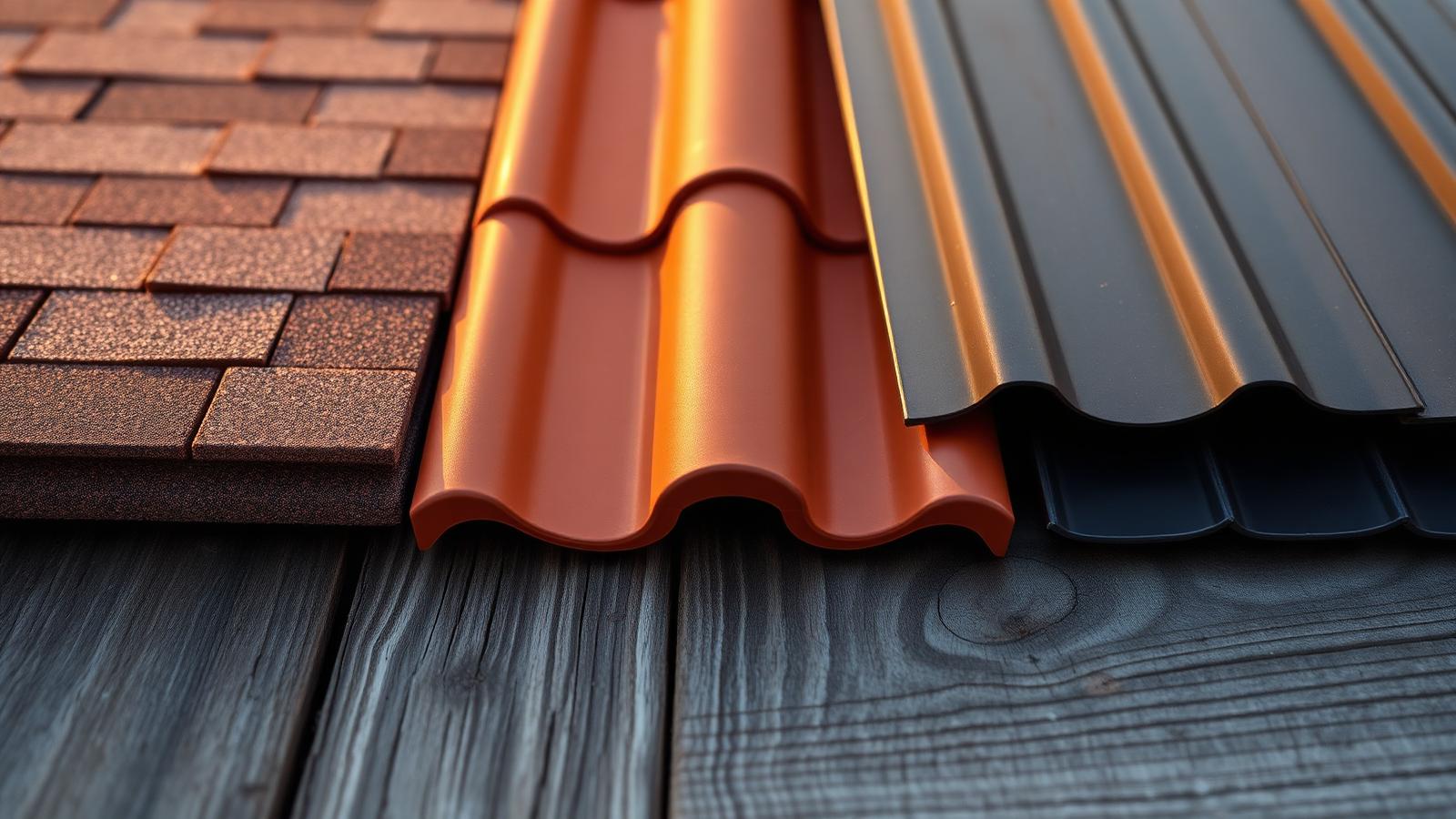
| 4. Roof covering | Permit date or product approval for each covering | Every covering has Florida product approval or a permit on or after March 1, 2002 |
| 5. Roof deck attachment | How the plywood is nailed to the trusses | 8d common nails at 6 inches in the field (Level C), or a reinforced concrete deck |
| 6. Roof-to-wall attachment | Straps or clips tying the roof to the walls | Double wraps or structural connections |
| 7. Roof geometry | The shape of the roof | Hip roof, with other shapes 10% or less of the total roof perimeter |
| 8. Secondary water resistance | A sealed layer over the deck | Sealed roof deck (Level A) |
| 9. Opening protection | Windows, doors, skylights and garage doors | Every opening, including garage and entry doors, protected by large-missile impact-rated products (Level A), none needing repair |
For deck attachment, roof-to-wall attachment and opening protection, the inspector records the weakest example found, not the best one. One unstrapped truss or one unprotected window can set the answer for the whole house.
What counts as secondary water resistance?
This is the feature homeowners most often get wrong, because standard underlayment and hot-mopped felt don't count. On the 2026 form, a sealed roof deck is any of these:
- A fully adhered, self-adhering underlayment over the whole deck.
- Self-adhering tape at least 3.75 inches wide over the deck seams.
- A double layer of qualifying felt or synthetic underlayment.
- Spray foam applied from the attic along the rafter-to-deck intersections and panel joints.
How does a new roof change your wind mitigation report?
A full replacement is the one time the deck is exposed, so it's the best chance to improve the roof features on the form, and to document them before they're covered up for good.
- Roof covering. A permitted replacement with a Florida-approved product meets the strongest answer, as long as every roof covering on the house qualifies, including any porch or flat section that isn't replaced.
- Roof deck attachment. On homes permitted before March 1, 2002, a replacement generally has to bring deck nailing up to Florida's re-roof standard, 8d ring-shank nails at 6 inches where the existing nailing falls short. Documented, that should meet or exceed Level C on the form, 8d common nails at 6 inches in the field.
- Secondary water resistance. Taped seams or a fully adhered underlayment go on the bare deck during the replacement.
- Roof-to-wall attachment. Straps and clips are usually checked from the attic. Some older homes need upgrades at reroof, and some can be upgraded without one.
Who can do a wind mitigation inspection in Florida?
The form lists who can sign it: home inspectors licensed in Florida who have completed hurricane mitigation training and a proficiency exam, building code inspectors, general, building and residential contractors, professional engineers and architects, plus others your insurer recognizes as qualified. Roofing contractors aren't on that list. As a roofing contractor, The Roof Pack installs and documents the features the inspector rates. We don't sign the form. If you're eligible for My Safe Florida Home and funding is available, the program provides a free hurricane mitigation inspection.
How much can a wind mitigation inspection save?
It depends on your insurer, your home and which features qualify, so no single number applies. Florida requires insurers to include discounts or credits for these features in their rates and to tell policyholders what's available, and the state publishes forms showing the range of wind premium credits. Ask your agent to price your policy with your current report, and again after any roof work.
Where this comes from
We checked these details on November 24, 2026, against the adopted OIR-B1-1802 (Rev. 04/26) form, the Office of Insurance Regulation's wind mitigation resources page, the Department of Financial Services' mitigation inspections page, and Citizens Property Insurance's March 19, 2026, agent bulletin on the form changes.
Frequently asked questions
What does a wind mitigation inspection check?
Nine features on Florida's OIR-B1-1802 form: building code, wind region, roof slope, roof covering, roof deck attachment, roof-to-wall attachment, roof geometry, secondary water resistance and opening protection. Six of the nine are about the roof.
How long is a wind mitigation report good for in Florida?
Up to five years, as long as no material changes are made to the structure and no inaccuracies are found on the form.
Is my old wind mitigation report still valid after the 2026 form change?
Inspections since April 1, 2026, must use the revised form. Citizens says it will keep accepting the previous version if it was completed within five years before April 1, 2026, and the structure hasn't changed. Other insurers set their own rules, so ask your agent.
Does a new roof improve my wind mitigation report?
Usually. A permitted replacement can earn the strongest roof covering answer, and it's the chance to add secondary water resistance and bring deck nailing up to the level the form rewards. Get a new inspection afterward so your insurer sees the changes.
Can a roofer do my wind mitigation inspection?
Roofing contractors aren't on Florida's list of qualified inspectors for the form. Licensed home inspectors with mitigation training, building code inspectors, general, building and residential contractors, engineers and architects are, along with others your insurer recognizes.
Get the real answer for your roof.
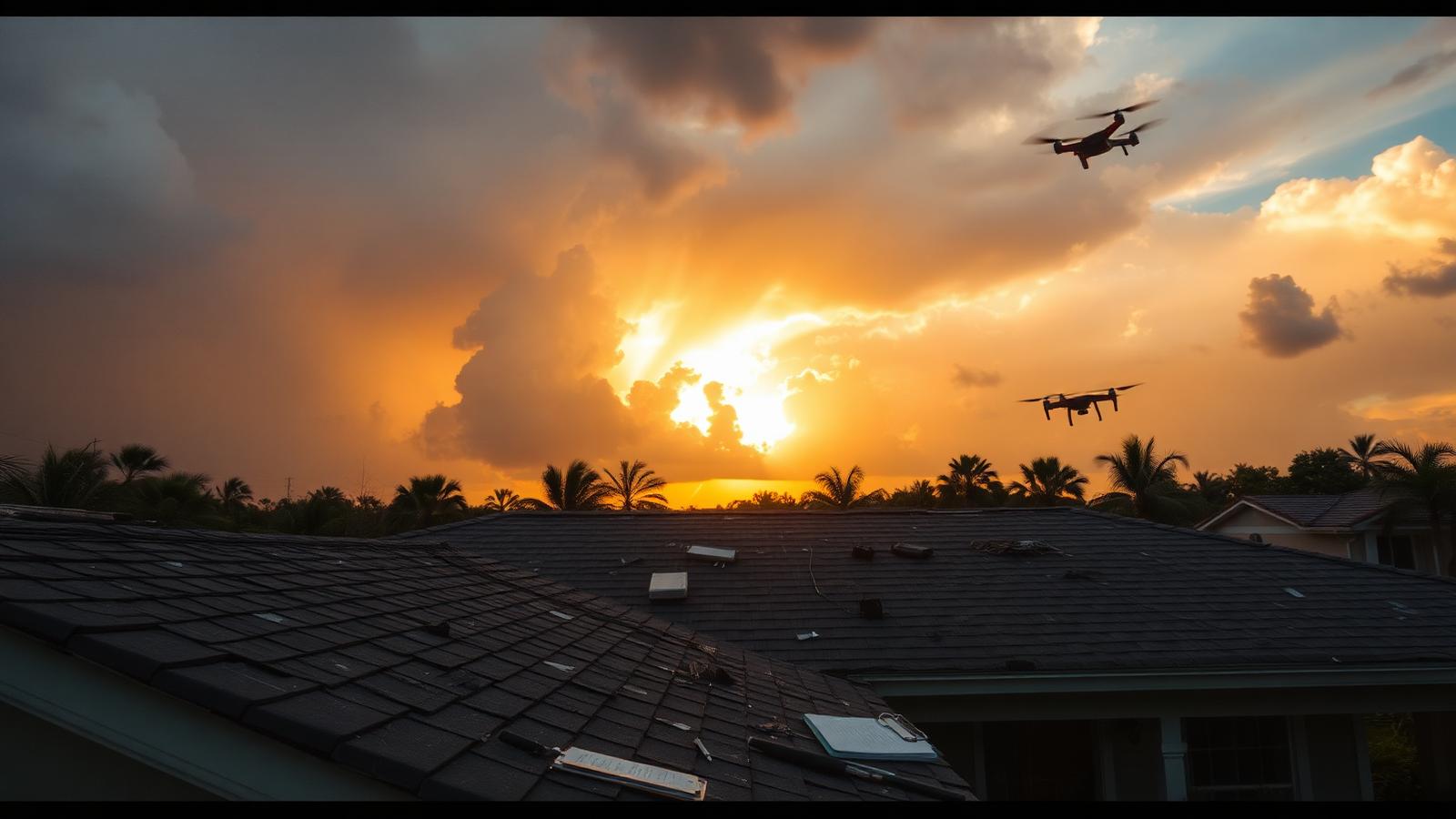
The Roof Pack(Edge) Report is a drone-documented inspection with photos, a remaining-life estimate and a written scope. No pressure. You keep it either way.
Tell us about your roof.
Takes 90 seconds. We'll text or call within the hour.