Does the 2026 Florida Building Code Change Your Roof Replacement? Mostly No, but Your Permit Date Matters
 Chris Marlatt··6 min read
Mostly no. The 9th edition of the Florida Building Code is scheduled to take effect at the end of 2026, and for a typical Tampa Bay home reroof it changes very little: the wind design standard stays the same, the core rules for tearing off versus recovering carry forward, and drip edge on steep-slope roofs is reinforced, with FRSA noting the tile changes don't change how tile is installed. What matters most is timing, because Florida law says the code in effect on the date your permit application is submitted governs the job for the life of the permit.
- The 2026 Florida Building Code (9th edition) is scheduled to take effect at the turn of the year. The state lists December 31, 2026, and the City of Tampa's notice uses January 1, 2027.
- Florida law says the code in effect on the date of your permit application governs the job for the life of the permit.
- In Tampa, the city says plans must be submitted and the permit application accepted by December 31, 2026, to stay under the 2023 code.
- The wind standard (ASCE 7-22) isn't changing, so wind design requirements stay essentially the same.
- Most of the headline tile underlayment changes apply only in Miami-Dade and Broward, not Tampa Bay.
Every three years Florida updates its building code, and every update brings a wave of ads warning homeowners to replace their roof before the new rules kick in. The 2026 update is real, but for most Tampa Bay homes it isn't a reason to rush, and it isn't a reason to wait either. Here's what actually changes for a residential roof replacement and what doesn't.
When does the 2026 Florida Building Code take effect?
The 9th edition of the Florida Building Code is scheduled to take effect at the end of 2026. The Florida Building Commission's workplan and the Florida Roofing and Sheet Metal Contractors Association list December 31, 2026, though the Commission's October 2026 workplan still showed final adoption steps as pending. The City of Tampa's announcement says the new code goes into effect January 1, 2027, and that to stay under the current 8th edition (2023), building plans must be submitted and the permit application accepted by December 31, 2026. Your county or city building department sets its own cutoff process, so check with the one that issues your permit.
Which code applies to my roof if I'm replacing it now?
The one in effect when your permit application goes in. Florida law, section 553.73 of the Florida Statutes, says the edition of the code in effect on the date of the permit application governs the permitted work for the life of the permit and any extension. So a roof whose permit application is in before the cutoff can be installed in January under the 2023 code. A roof whose permit application goes in after the cutoff follows the 2026 code, no matter when you signed the contract.
What stays the same in the 2026 code?
- Wind design. The code continues to use the ASCE 7-22 wind load standard, and FRSA notes the wind tables in the tile installation manual won't be revised this cycle.
- Tear-off versus recover. The core list of when a roof must be torn off to the deck, including two existing layers, deteriorated roofing, and tile, slate or wood shake, carries forward with minor wording changes.
- Drip edge. The code reinforces drip edge at eaves and gables on steep-slope roofs (2:12 and up). For tile, it now points to the FRSA/TRI installation manual, and FRSA says that doesn't change how tile is installed.
- Permits and inspections. A reroof still needs a permit and inspections from your county or city.
Florida's 25 percent rule is worth a note too. Under section 553.844 of the Florida Statutes, if your roof was built, repaired or replaced under the 2007 code or later, only the portion being repaired has to meet current code, even when 25 percent or more is repaired, and a new code edition can't override that. Older roofs still follow the code's 25 percent rule, so ask your contractor how it applies to yours.
What does change?
- Corrosion-resistant fasteners near saltwater. In the Building volume of the code, roofing nails within 3,000 feet of a saltwater coastline, and screws within 300 feet, now have to meet an expanded corrosion-resistance section. Most single-family homes are permitted under the Residential volume, so ask your contractor whether your permit falls under this provision, especially if you live near the water.
- More flexibility on some recovers. New exceptions let certain existing insulation, lightweight insulating concrete or adhered membranes stay in place in specific situations, for example when the top layer of a two-layer roof comes off. These mostly matter on low-slope and commercial roofs, not typical shingle homes.
- Shingle coatings. Rules about coating asphalt shingles move out of the reroofing section and into the asphalt shingle sections of the code.
What about the tile underlayment changes I keep reading about?
Many of the headline tile changes, such as new product approval and uplift testing requirements for tile underlayments, are written for the High-Velocity Hurricane Zone. Florida's code defines that zone as Miami-Dade and Broward counties, so those specific rules don't apply in Hillsborough, Pasco or Pinellas. Tile roofs here follow the statewide tile provisions.
Should you replace your roof before or after the new code?
For most homes, replace it when the roof needs it. If your roof is failing now, the 2023 code is a perfectly good code to build to, and a permit application in before your jurisdiction's cutoff keeps your job under it. If your roof still has a few good years, there's no penalty for waiting into 2027 on a typical home. Waterfront homes are where it's worth asking your contractor for a line-by-line answer about fasteners.
Where this comes from
We checked these details on November 10, 2026, against FRSA's summaries of the 9th edition reroofing and tile changes (February and April 2026), the Florida Building Commission's October 2026 workplan, the City of Tampa's 9th edition announcement, Miami-Dade County's July 2026 underlayment memo, and sections 553.73 and 553.844 of the Florida Statutes. Most of the code sections FRSA cites are from the Building volume, and Residential equivalents may differ. Final code text can still be adjusted, so confirm details for your roof with your contractor and building department.
Frequently asked questions
When does the 2026 Florida Building Code take effect?
It's scheduled for the end of 2026. State and industry sources list December 31, 2026, and the City of Tampa says the new code applies from January 1, 2027, with permit applications accepted by December 31, 2026, staying under the 2023 code.
If I sign a roofing contract in December, which code applies?
The code in effect when the permit application is submitted, not when you sign. If the application goes in, and in Tampa is accepted, before your jurisdiction's cutoff, the job stays under the 2023 code for the life of the permit.
Does the 2026 code change wind requirements for roofs?
Not meaningfully. The wind standard (ASCE 7-22) isn't changing, so wind design requirements stay essentially the same.
Will a new roof cost more under the 2026 code?
For a typical home in Tampa Bay, probably not much. Waterfront homes may see a fastener change if their permit falls under the new corrosion-resistance provisions, so ask your contractor to point out any line items tied to the new code.
Do the new tile underlayment rules apply in Tampa?
The new product approval and uplift testing rules for tile underlayments are written for the High-Velocity Hurricane Zone, which is Miami-Dade and Broward counties. Tampa Bay tile roofs follow the statewide tile rules instead.
Get the real answer for your roof.
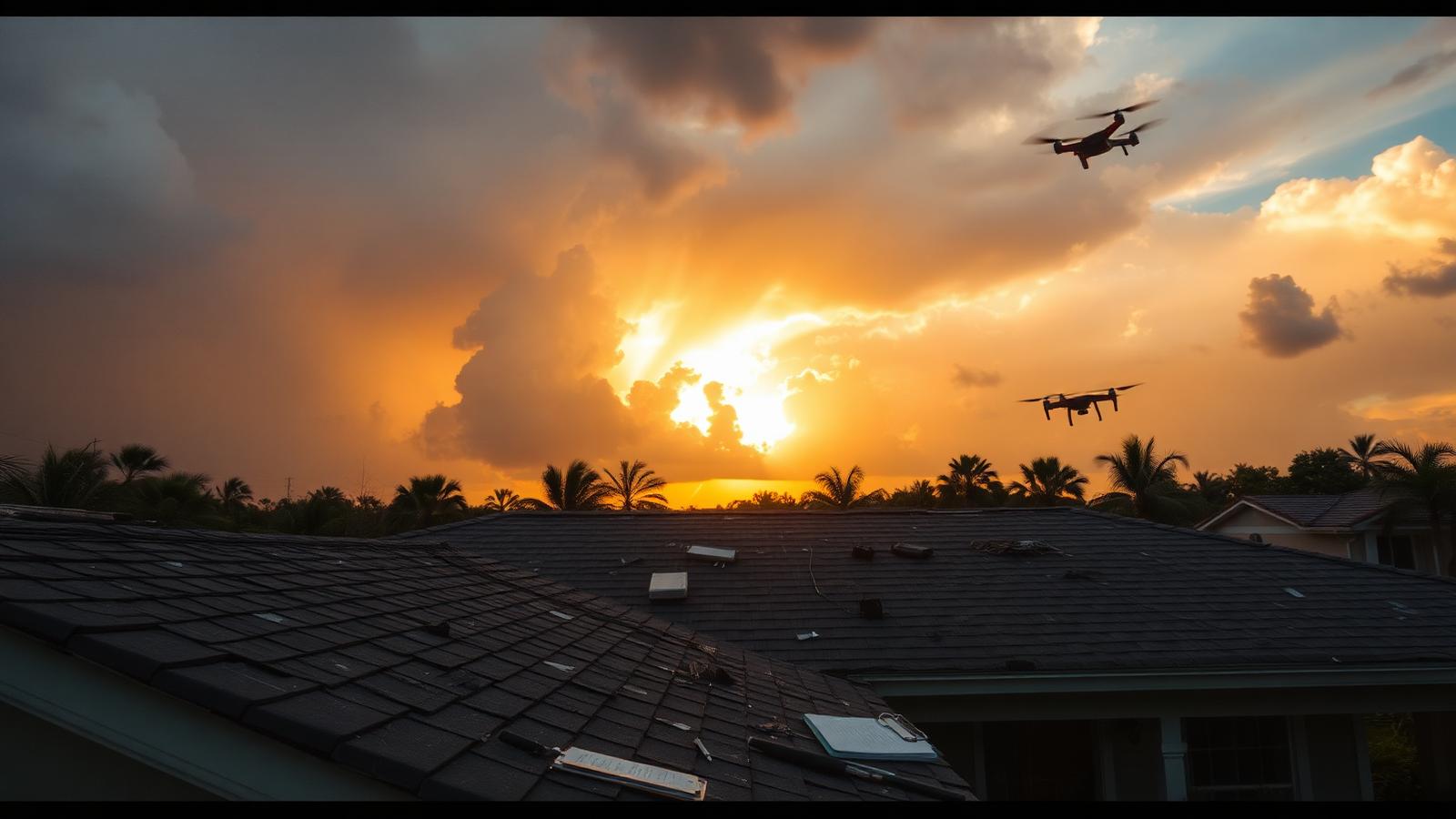
The Roof Pack(Edge) Report is a drone-documented inspection with photos, a remaining-life estimate and a written scope. No pressure. You keep it either way.
Tell us about your roof.
Takes 90 seconds. We'll text or call within the hour.