How Long Does a Roof Last in Florida?
 Chris Marlatt··8 min read
In Florida, an architectural shingle roof typically lasts 15 to 20 years, a metal roof 40 to 50 years, and a concrete or clay tile roof 30 to 50 years for the tile itself with the underlayment needing replacement every 20 to 25 years. Those numbers run shorter than national averages because Tampa Bay roofs deal with constant UV, high humidity, salt air near the coast and hurricane season every single year. Ventilation, install quality and how quickly small issues get fixed move the number more than the brand of shingle does.
- Florida roofs lose roughly a quarter of their advertised lifespan to heat, humidity, salt and storms.
- Shingle: 15 to 20 years. Metal: 40 to 50 years. Tile: 30 to 50 years, with underlayment replaced at 20 to 25.
- Poor attic ventilation is the single most common reason a Tampa shingle roof fails a decade early.
- Insurance timelines matter as much as physical lifespan; most carriers get uncomfortable with shingle roofs past 15 years.
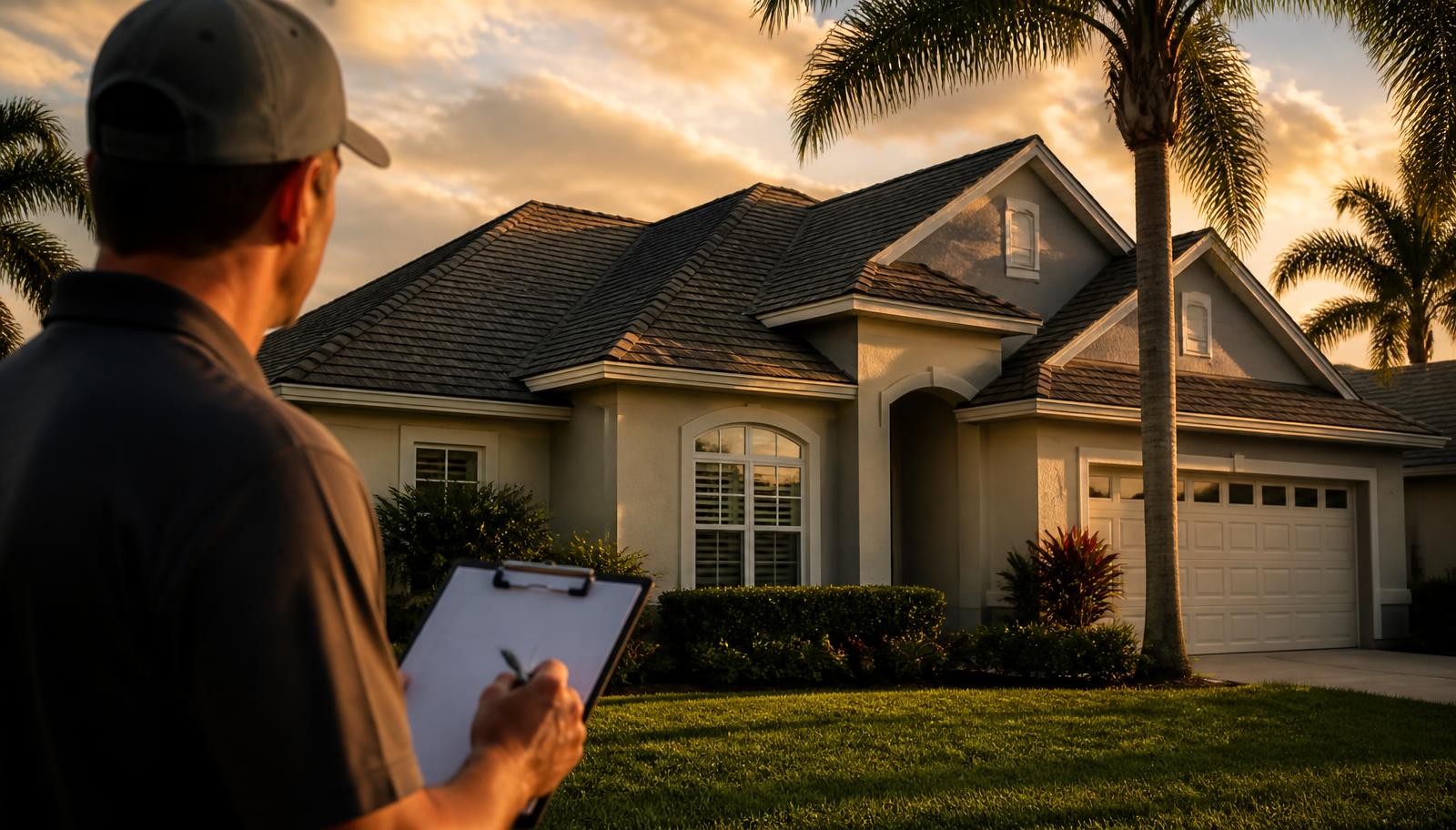
- A documented inspection tells you remaining useful life in years, which is what both you and your insurer need.
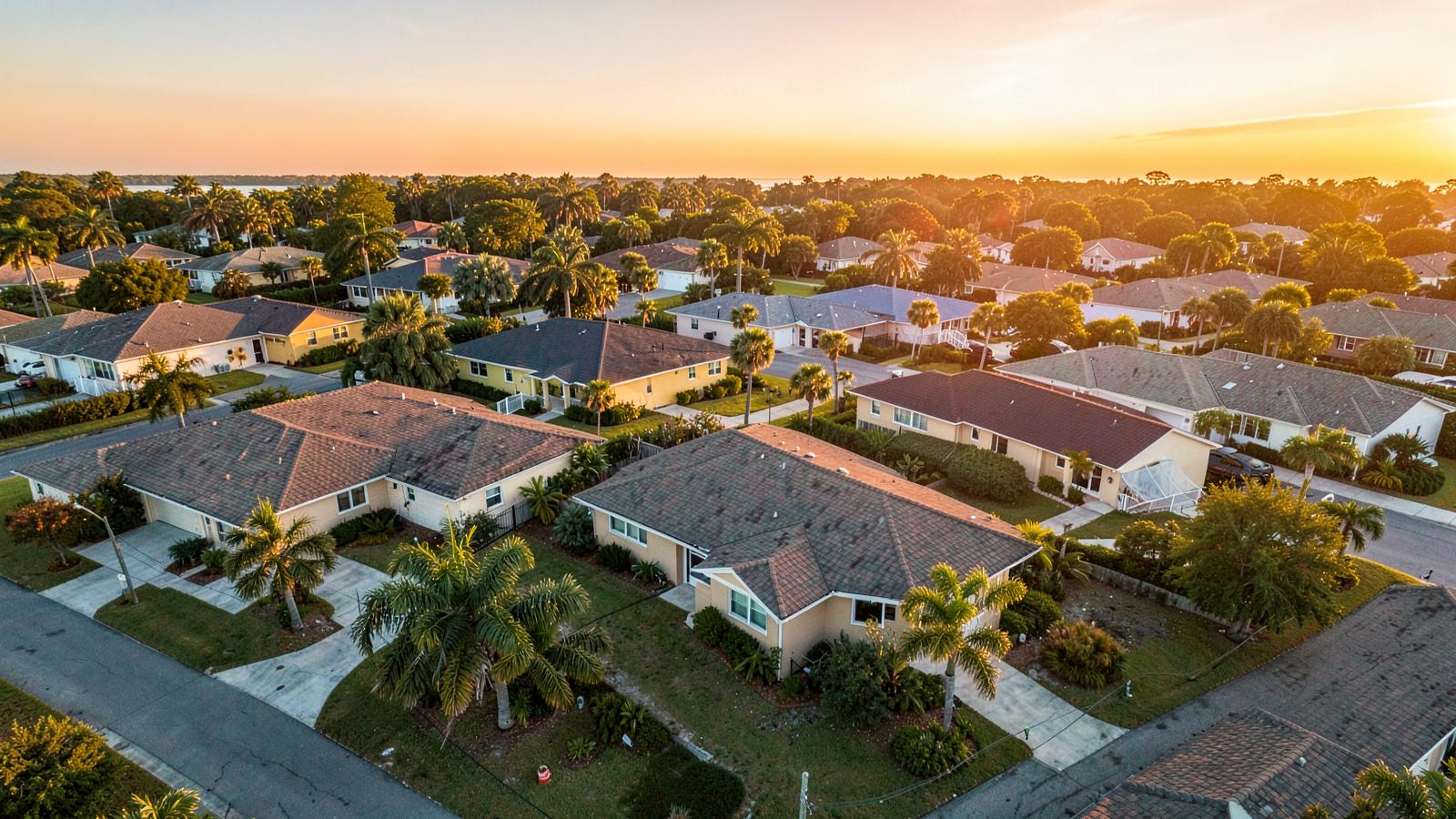
Every manufacturer prints a number on the bundle. Thirty years, fifty years, lifetime. Those numbers were not written for a house that sits under Tampa sun for 240 days a year, breathes salt air off the bay and takes a named storm every hurricane season. Here is what roofs actually do in Florida, and how to figure out where yours sits on the clock.
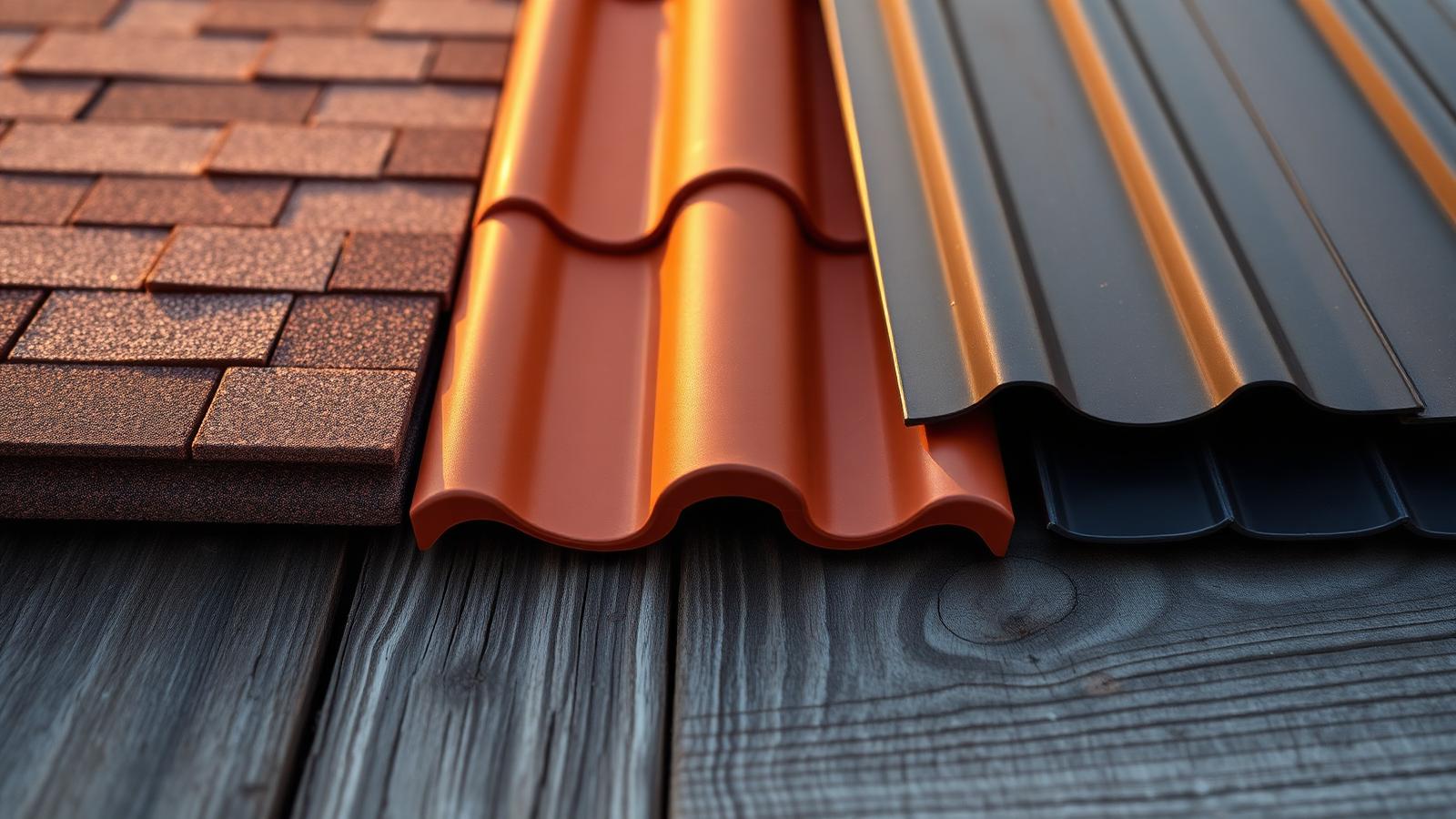
Florida roof lifespan by material
| Roof system | Florida lifespan | What usually kills it first |
|---|---|---|
| 3 tab asphalt shingle | 12 to 15 years | Granule loss and wind uplift at the edges |
| Architectural shingle | 15 to 20 years | Heat aging, poor attic ventilation |
| Standing seam metal | 40 to 50 years | Fastener and flashing failure, not the panels |
| Concrete or clay tile | 30 to 50 years | Underlayment failing at 20 to 25 years |
| Flat or low slope membrane | 15 to 25 years | Ponding water and seam separation |
Notice that on two of those systems the roof covering outlives the layer underneath it. Tile roofs almost never fail because the tile broke. They fail because the underlayment beneath the tile dried out, cracked and stopped being waterproof while the tile looked perfect from the street.
Why Florida is harder on roofs than almost anywhere else
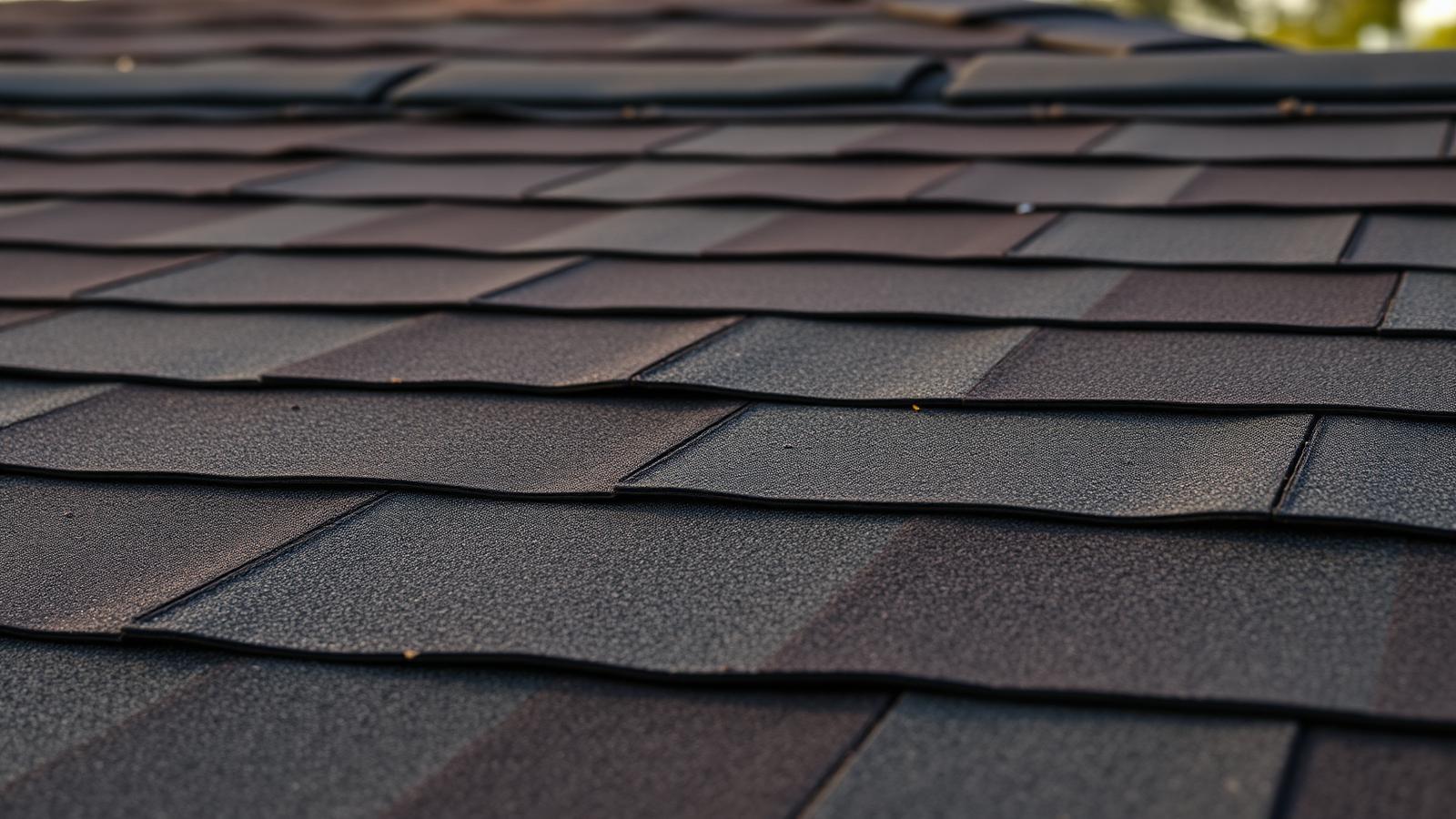
- UV exposure. Constant sun bakes the oils out of asphalt shingles, which is what makes them brittle and lets granules wash off.
- Heat cycling. A dark roof deck in Tampa can pass 160 degrees in the afternoon and drop 60 degrees overnight. Materials expand and contract every day of their life.
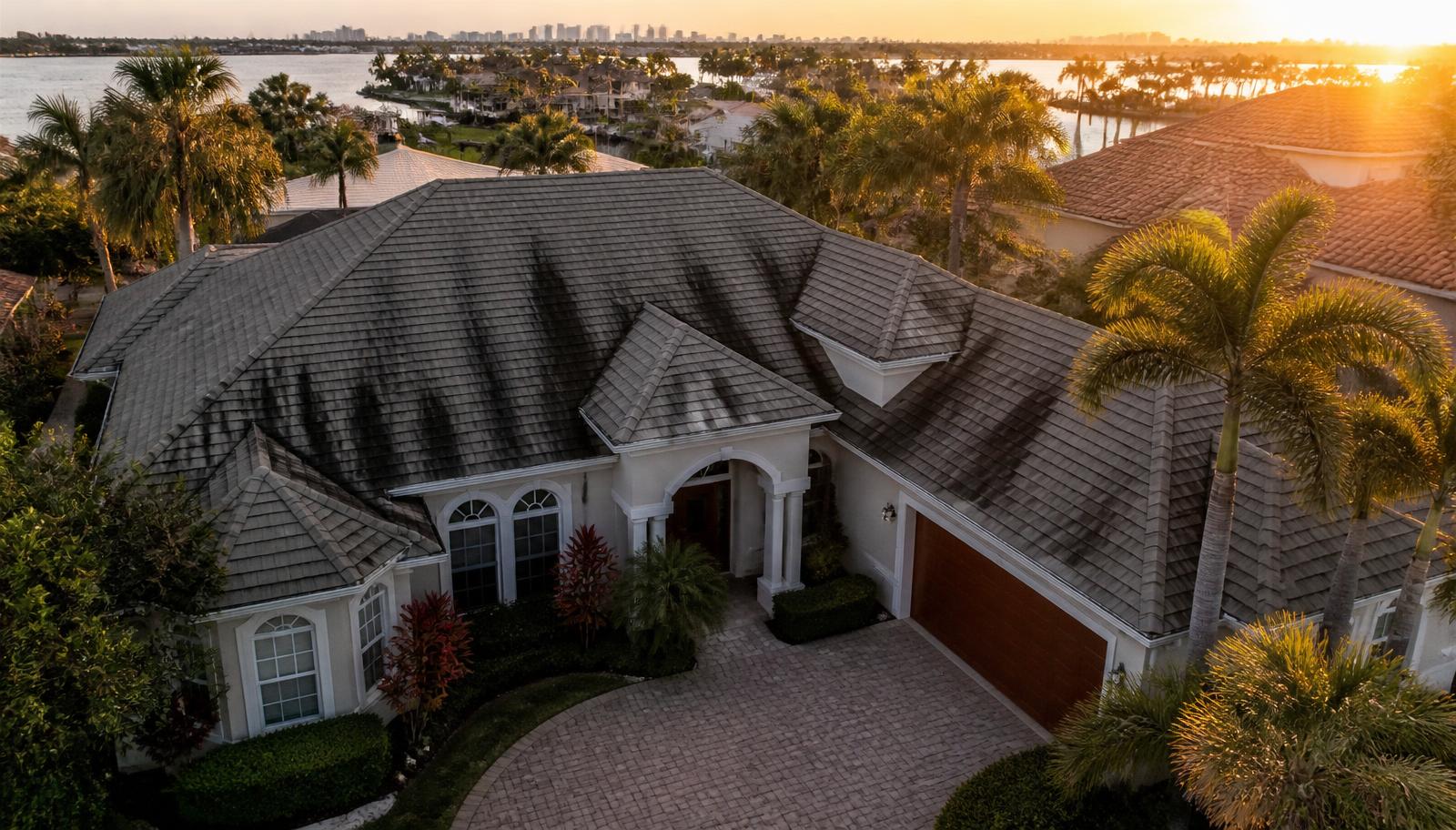
- Humidity and algae. Blue green algae streaks feed on limestone filler in shingles and hold moisture against the surface.
- Salt air. Within a few miles of the water, salt corrodes fasteners, flashing and exposed metal long before the roof covering gives up.
- Wind events. Even a storm that never makes landfall can lift shingle tabs enough to break the sealant strip, which leaves the roof looking fine and quietly unsealed.
Ventilation is the variable nobody looks at
When we inspect a Tampa roof that failed at 12 years instead of 18, the attic is usually the reason. Not enough intake at the soffits, not enough exhaust at the ridge, and the attic turns into an oven that cooks the shingles from underneath. The roof looks like a material defect. It is an airflow problem.
How to tell how much life your roof has left
- Find the permit date. The county permit record tells you the real install year, not the year a seller said the roof was done.
- Look in the gutters. Heavy granule accumulation means the shingle surface is wearing through.
- Check the roof line from the street. Waves, dips or a soft look means the decking underneath is holding moisture.
- Look at the penetrations. Cracked pipe boots and rusted flashing usually go before the field of the roof does.
- Get remaining useful life documented in writing. That is the number your insurer will ask for.
The insurance clock runs faster than the physical clock
A Tampa shingle roof can be structurally fine at 17 years and still cost you your homeowners policy. Most Florida carriers get nervous with shingle roofs past 15 years and tile or metal past 25. Florida law lets you request an inspection showing at least five years of remaining useful life before an insurer refuses coverage on age alone, but you have to have that inspection in hand. Waiting for the non renewal letter puts you on their timeline instead of yours.
Can you extend the life of a Florida roof?
- Fix flashing, boots and sealant before they turn into deck rot. This is the cheapest work you will ever do on a roof.
- Correct ventilation. It pays for itself in shingle life and cooling cost.
- Keep algae streaks treated so moisture is not held against the surface year round.
- Have the roof looked at after any named storm, even if nothing looks wrong from the ground.
- Replace tile underlayment on schedule instead of waiting for interior staining. The tile gets reused.
None of that turns a 20 year roof into a 40 year roof. It does keep you from losing five good years to something that cost a few hundred dollars to fix.
Frequently asked questions
How long does a shingle roof last in Tampa?
Architectural shingles typically last 15 to 20 years in Tampa, and 3 tab shingles closer to 12 to 15. Heat, humidity and attic ventilation drive the difference more than the shingle brand does.
Do metal roofs really last 50 years in Florida?
The panels can, especially standing seam with concealed fasteners. What usually needs attention first is flashing, sealant and exposed fasteners, particularly on homes near salt water. Budget for maintenance, not replacement.
My tile roof looks perfect. Why would it need work?
Tile roofs leak through the underlayment, not the tile. That underlayment generally needs replacement at 20 to 25 years while the tile is still good, and in most cases the existing tile can be lifted, stored and reset.
Does a new roof lower my homeowners insurance in Florida?
Usually yes. A new roof built to current code resets the age clock and often qualifies for wind mitigation credits for the deck attachment, secondary water barrier and roof to wall connections. Many homeowners see a meaningful premium drop.
How do I find out the real age of my roof?
Check the permit record with your county building department. If no permit exists, an inspection can estimate age from wear patterns, and that inspection is what your insurer will want anyway.
Get the real answer for your roof.
The Roof Pack(Edge) Report is a drone-documented inspection with photos, a remaining-life estimate and a written scope. No pressure. You keep it either way.
Tell us about your roof.
Takes 90 seconds. We'll text or call within the hour.