When Is the Best Time to Replace a Roof in Tampa? Late Fall Through Spring, and Here's Why
 Chris Marlatt··6 min read

The best time to replace a roof in Tampa is late fall through spring, roughly November through April. That's Tampa's dry season, with about 1.4 to 2.7 inches of rain a month at Tampa International Airport, compared with 6 to 9 inches a month from June through September. They also fall after the peak of hurricane season. That said, the best time is before your roof fails or your insurance deadline arrives: a well-run crew can replace a roof safely in any month.
- The National Weather Service puts the rainy season for west-central Florida, including Tampa Bay, at roughly May 25 to October 10, and June through September average 6 to 9 inches of rain a month in Tampa.
- November through April average about 1.4 to 2.7 inches a month, which means fewer weather delays and less risk while the roof is open.
- Hurricane season runs June 1 through November 30, with most storm activity from mid-August to mid-October.
- Booking in late summer or early fall lets you schedule the work for the dry months instead of scrambling after a storm.
- If your roof is leaking or your insurer has sent a nonrenewal notice, don't wait for the calendar. A crew that dries in the same day can work in any season.
Most homeowners don't get to pick when they need a roof. A leak, a storm or a letter from the insurance company usually decides it. If you do have a choice, though, the calendar matters more in Tampa Bay than in most places, because the difference between our wet and dry months is so large.
Why are November through April the best months?
A roof replacement is the one home project where the house is open to the sky. Between tear-off and dry-in, rain is the biggest risk to the job and the biggest cause of schedule slips. Tampa's rain is concentrated in a few summer months. Here are the National Weather Service's 1991 to 2020 monthly normals for Tampa International Airport:
| Month | Normal rainfall (inches) | Roofing outlook |
|---|---|---|
| January | 2.65 | Dry and mild |
| February | 2.62 | Dry and mild |
| March | 2.52 | Dry |
| April | 2.55 | Dry |
| May | 2.60 | Dry; rainy season usually starts late in the month |
| June | 7.37 | Rainy season and hurricane season |
| July | 7.75 | Rainy season and hurricane season |
| August | 9.03 | Wettest month, start of peak hurricane activity |
| September | 6.09 | Rainy, peak hurricane activity |
| October | 2.34 | Rainy season ends early in the month, still peak hurricane activity |
| November | 1.40 | Driest month, hurricane season ends November 30 |
| December | 2.56 | Dry and mild |
June through September brings in more than half of Tampa's roughly 49 inches of normal annual rain. November through April averages about a third as much rain per month. Winter in Tampa is also mild, with normal highs in the low to mid 70s from December through February, so the cold-weather problems that slow roofing in northern states rarely apply here.
How does hurricane season affect roof replacement timing?
The Atlantic hurricane season runs from June 1 to November 30. NOAA notes that activity spikes from mid-August to mid-October, a window that accounts for 78 percent of tropical storm days and 96 percent of major hurricane days, with a statistical peak around September 10. A roof mid-replacement when a storm is forecast has to be dried in and secured fast, and after a storm hits, demand for roofers jumps. Scheduling your replacement for the months after the peak keeps you out of that crunch. It's also why October isn't on our list even though it's fairly dry: the first half of the month is still inside the peak window.
Can you replace a roof during Tampa's rainy season?
Yes. Roofs get replaced in Tampa every month of the year. Summer storms often develop in the afternoon as the sea breeze sets up, so crews start early, tear off only as much as they can close up that day, and dry the roof in before weather arrives. What changes in summer is the margin for error: more days lost to weather, a longer overall schedule, and no room for a crew that leaves sections open overnight. Ask any roofer you're considering how they handle a rain threat mid-job, and get the answer in writing.
When should you not wait for the dry season?
- Your roof is actively leaking. Water in the decking, insulation and ceiling gets worse and more expensive every rain. Repair or replace now.
- Your insurer has sent a nonrenewal notice tied to the roof. Florida requires insurers to give at least 120 days' written notice of nonrenewal in most cases, and that clock doesn't move for the weather.
- You have storm damage. Insurance claims and repairs have their own deadlines, and damage left open invites more damage.
- You're selling or buying. Inspections, insurance quotes and closing dates usually set the timeline, not the forecast.
How far ahead should you book?
Plan for more than just the installation. Between the inspection, choosing materials, any HOA approval, the permit and the crew's schedule, a replacement can take weeks to get on the calendar, and the busiest stretches fill first. If you want a winter install, start the conversation in late summer or early fall. If you are reading this in November, you are still early enough to land a dry-season slot.
Where these numbers come from
We checked these details on November 4, 2026, against the National Weather Service Tampa Bay office's 1991 to 2020 climate normals for Tampa International Airport and its rainy season guidance, NOAA's explanation of the peak of hurricane season, the National Hurricane Center's season dates, and section 627.4133 of the 2026 Florida Statutes.
Frequently asked questions
What is the best month to replace a roof in Tampa?
November is the driest month in Tampa, averaging 1.40 inches of rain at Tampa International Airport, and it falls after the peak of hurricane season. December through April are also good choices, with about 2.5 to 2.7 inches of rain a month and mild temperatures.
Is it bad to replace a roof in the summer in Florida?
No, but it's harder. June through September average 6 to 9 inches of rain a month in Tampa, so expect more weather delays. A good crew tears off only what it can dry in the same day and shouldn't leave the roof open overnight.
Should I replace my roof before hurricane season?
If your roof is near the end of its life, yes. Hurricane season starts June 1, and the most active stretch runs from mid-August to mid-October. Replacing in the dry months before that means your home goes into the season with a new roof.
Is roof replacement cheaper in the winter in Tampa?
Not reliably. We don't price jobs by season, and there's no dependable seasonal discount to wait for. The bigger advantage of winter is scheduling: fewer weather delays and no post-storm rush.
How long does a roof replacement take in Tampa?
In our experience, a typical single-family shingle roof is a 2 to 4 day job, and tile or metal runs 5 to 10 days depending on size and complexity, plus permitting and inspection close-out. Rainy days add to that, which is one reason the dry season moves faster.
Get the real answer for your roof.
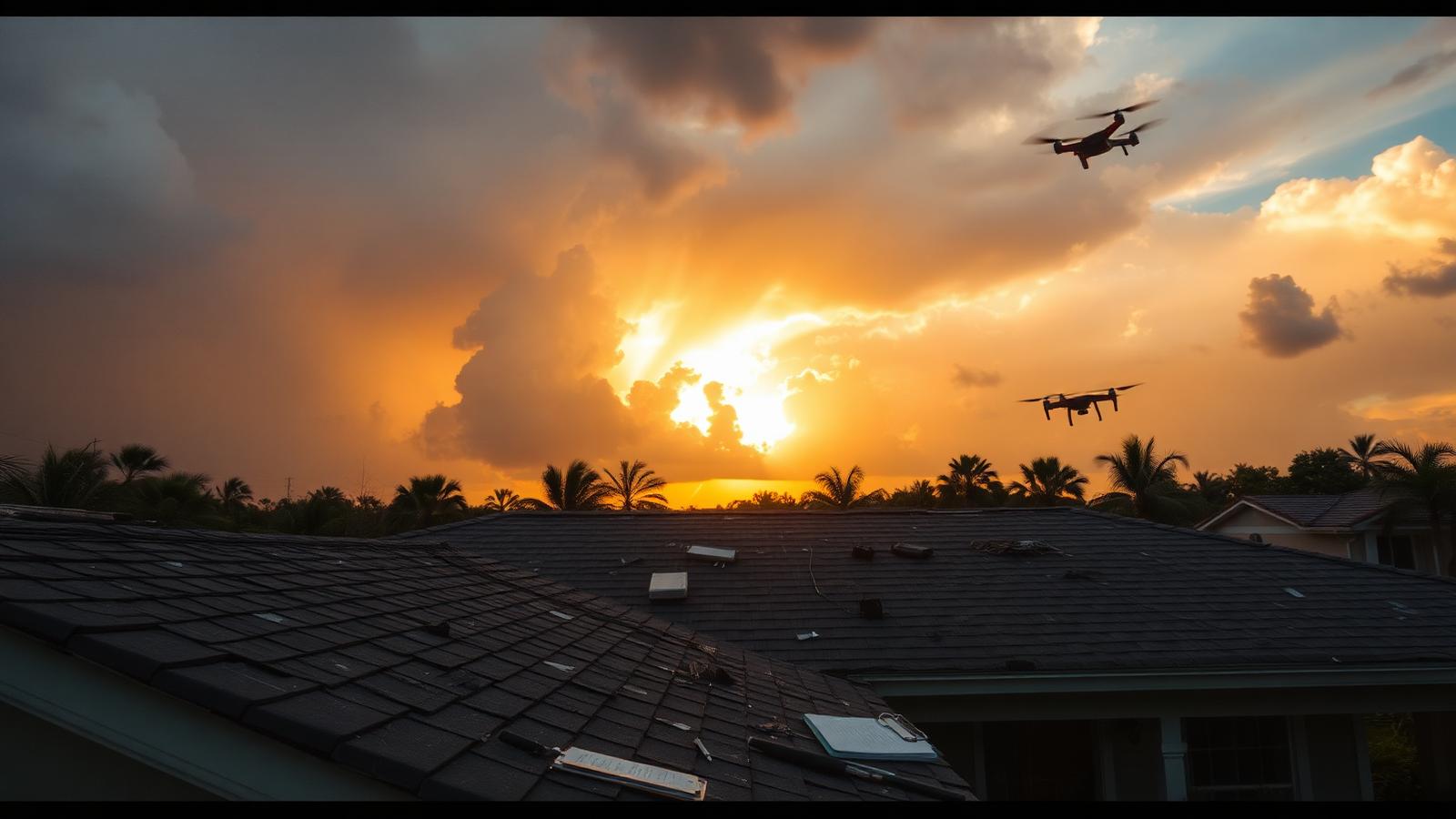
The Roof Pack(Edge) Report is a drone-documented inspection with photos, a remaining-life estimate and a written scope. No pressure. You keep it either way.
Tell us about your roof.
Takes 90 seconds. We'll text or call within the hour.