Why Florida Tile Roofs Leak When the Tile Looks Fine, and How Re-Underlayment Fixes It
 Chris Marlatt··9 min read
Most Florida tile roofs leak because the underlayment beneath the tile has worn out, not because the tile failed. That underlayment typically lasts 20 to 25 years in Tampa Bay heat, while concrete and clay tile can last 40 to 50 years or more. If breakage stays under roughly 15 percent, a tile re-underlayment lifts and stacks your existing tile, replaces everything underneath it to current code and resets the same tile, usually for 30 to 40 percent less than a full new tile roof.
- A tile roof is really two roofs: the tile sheds most of the water, the underlayment underneath keeps the house dry.
- Florida tile underlayment typically wears out at 20 to 25 years, decades before the tile itself does.
- Re-underlayment reuses your existing tile and typically costs 30 to 40 percent less than a full tile replacement.
- Tile breakage, replacement tile availability and decking condition decide whether re-underlayment is the right call.
- It is a permitted re-roof, so the deck gets brought to current code and the permit record shows a new roof date.
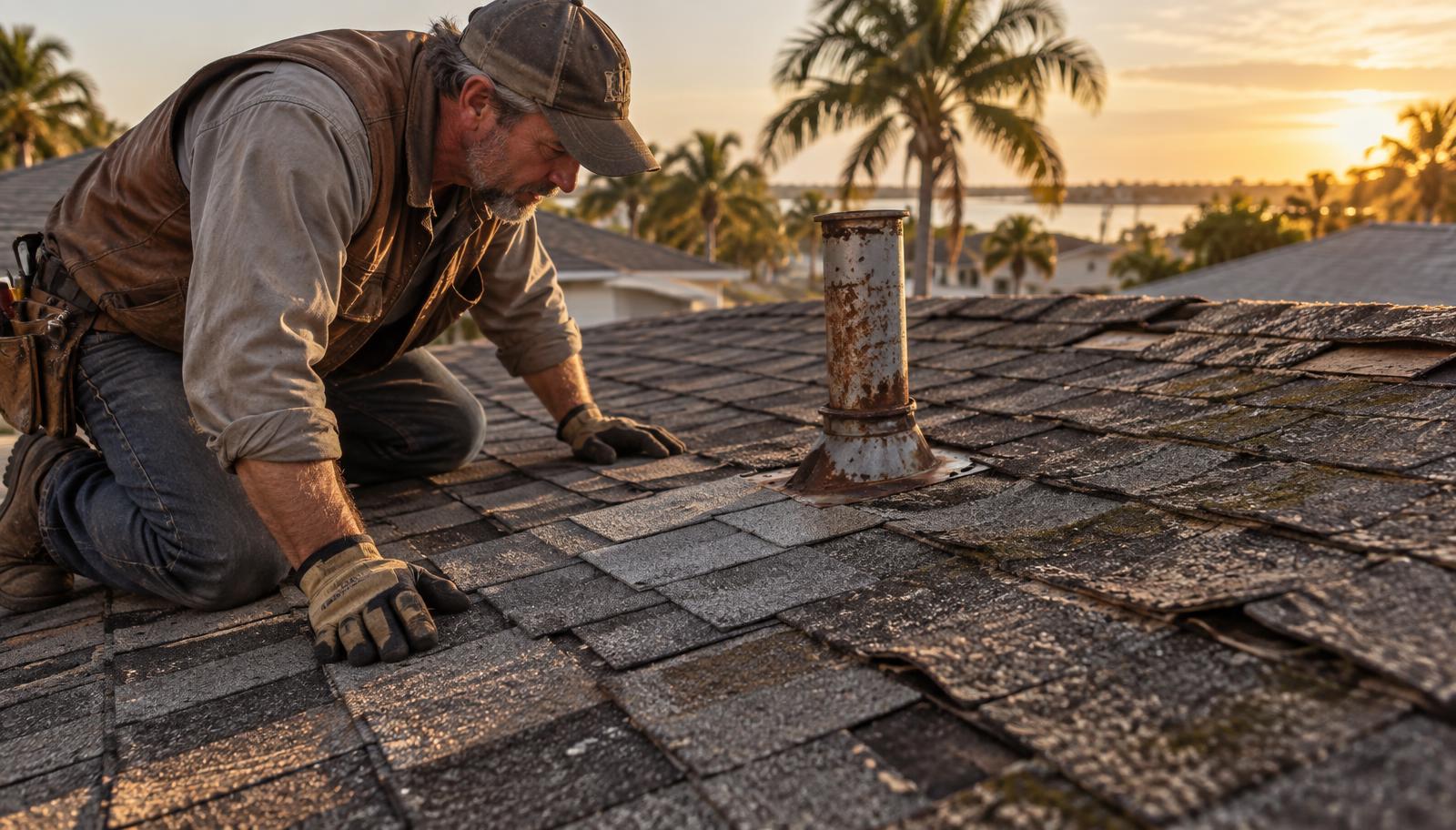
We get this call every week from tile homeowners in Westchase, Palm Harbor and Valrico: there is a stain on the ceiling, someone already looked at the roof, and the tile looks perfect. Both things are true. On a Florida tile roof, the tile is the part you see and the underlayment is the part that keeps water out, and they wear out on completely different schedules.
How a Florida tile roof actually keeps water out
Tile is not a sealed surface. Wind-driven rain gets under it, runs down the channels between tiles and drains out at the eave. That is by design. The waterproofing job belongs to the underlayment, the membrane fastened or adhered directly to the roof deck. As long as that layer is intact, water that gets under the tile never reaches the wood. Once it cracks, tears or pulls apart at a seam, the same water that has always been running under your tile finds the deck.
Why the underlayment fails first
- Heat. The tile shades the underlayment from direct sun, but the space under a tile roof still bakes every Tampa summer afternoon. Older felt systems dry out and turn brittle.
- Age of the system. Many Tampa Bay tile roofs from the 1990s and 2000s went down over a felt base sheet with a mineral-surfaced cap sheet. Those systems are now at or past their 20 to 25 year window.
- Fastener holes. Every nail or screw holding a tile goes through the underlayment. As the membrane ages, those holes stop sealing.
- Debris dams. Leaves and oak debris collect under tile in valleys and behind walls and chimneys, hold water and rot the underlayment in exactly the spots that carry the most water.
- Broken or slipped tile. A cracked tile concentrates water on one spot of underlayment, which wears through there first.
- Original flashing. Wall, chimney and valley flashing on older tile roofs is often original. When it rusts or the mortar around it cracks, water gets behind the underlayment instead of running over it.
Signs your tile roof's underlayment is done
- Ceiling stains that show up after heavy or wind-driven rain, then dry out between storms.
- Dark staining on the underside of the roof deck in the attic, especially below valleys and wall transitions.
- Soft or rotted fascia and soffit at the eaves, where water running under the tile drains out.
- Cracked or slipped tile, or mortar falling out of hips and ridges.
- A roof 20 or more years old by the permit record, or an insurer asking for a four point inspection.
- Patches of roofing cement or sealant at walls and valleys, a sign someone has already been chasing leaks.
Your options, side by side
| Option | What it fixes | Relative cost | When it fits |
|---|---|---|---|
| Tile repair | Broken or slipped tiles, a single failed flashing detail | Lowest | Underlayment under about 18 years old and still sound |
| Re-underlayment (reset existing tile) | Everything under the tile: underlayment, flashing, rotted decking, deck attachment | Typically 30 to 40% less than new tile | Sound tile, breakage under roughly 15%, underlayment 20+ years old |
| Full tile replacement | Everything, including the tile | Highest, about $24,000 to $50,000 on a typical Florida home | Heavy breakage, deteriorated or discontinued tile, or a new look |
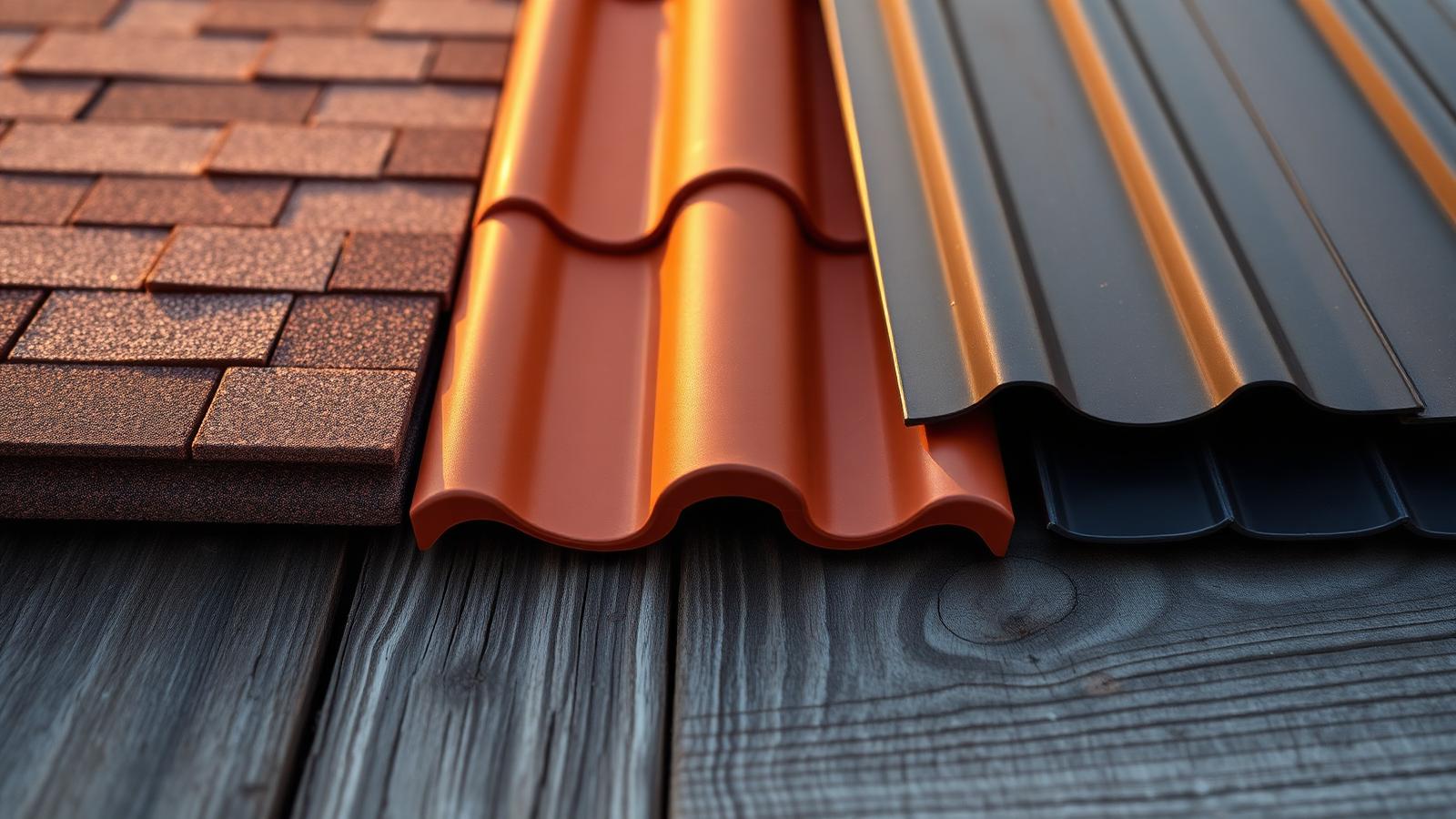
| Switch to metal | Everything, with a much lighter roof | Comparable to or above new tile | You want a different look or less weight on the structure |
How a tile re-underlayment works
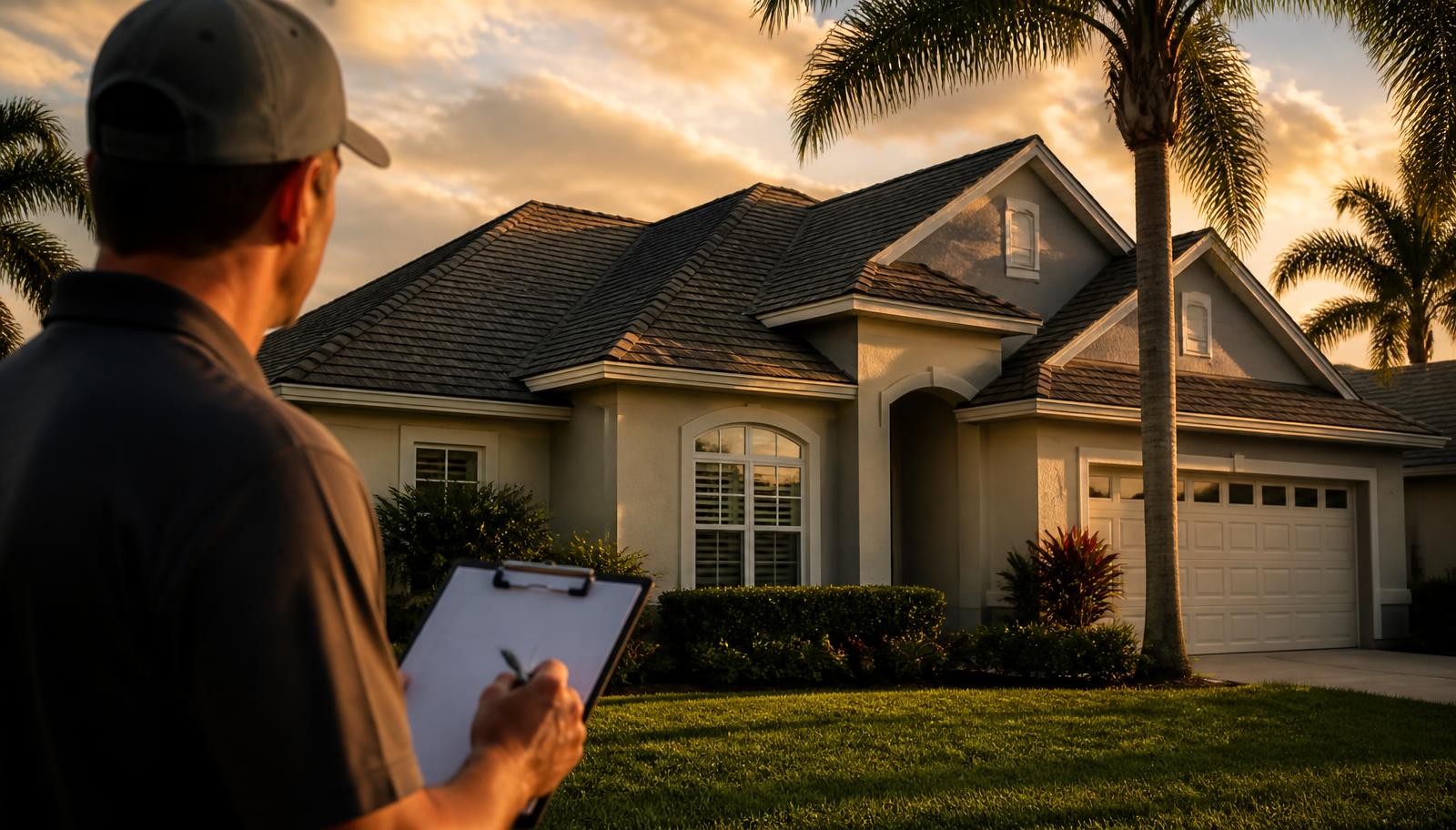
- Inspect and count. Before any tile comes off, the roof is checked for breakage, tile profile and whether replacement tile is still made in your profile and color.
- Permit. A re-underlayment is a re-roof under the Florida Building Code, so it is permitted and inspected like one.
- Lift and stack. Tile is removed by hand and stacked on the roof or on pallets, and cracked pieces are set aside.
- Tear off to the deck. The old underlayment, flashing and edge metal come off, all the way down to bare wood.
- Fix the deck. Rotted sheathing is replaced and the deck is re-nailed to current code, which can also improve your wind mitigation rating for deck attachment.
- New underlayment and flashing. A self-adhered underlayment goes down sealed to the deck, along with new drip edge, valley metal, wall flashing and pipe flashing.
- Reset the tile. The original tile goes back down using the attachment method current code calls for, broken pieces are replaced with matching stock or salvage, and new hip and ridge finishes the roof.
- Final inspection. The county signs off, and the permit record now shows a new roof date.
What does tile re-underlayment cost?
On a typical Tampa Bay home, a tile re-underlayment usually runs 30 to 40 percent less than tearing off and installing a brand new tile roof, because you are not buying new tile, which is a big share of what a tile roof costs. Where the number moves:
- Breakage. Some tile breaks during removal no matter how careful the crew is, especially older clay. Get the breakage allowance and the per-tile replacement price in writing.
- Decking. Rotted sheathing under valleys and eaves is common on a roof that has been leaking. Budget $75 to $130 per sheet, and get that price in writing up front.
- Tile profile. Barrel tile takes longer to lift, stack and reset than flat tile.
- Roof complexity. Valleys, walls, chimneys and skylights are where the flashing work and the labor go.
- Underlayment choice. Self-adhered systems cost more than nailed felt, and under Florida tile they are worth it.
Financing works the same way it does for a full replacement. Through Regions Bank there is a 9 month same as cash option plus 5, 10 and 15 year terms, so a re-underlayment can be planned instead of rushed after the next ceiling stain.
When re-underlayment is the wrong call
- Breakage runs past roughly 15 percent, or the tile is chalky, eroded or crumbling at the edges.
- Your tile profile is discontinued and there is not enough salvage to cover the breakage.
- The roof structure shows sag, or the framing needs work that changes the whole scope.
- You want a different look or a lighter roof. Standing seam metal is a common switch on tile homes, but check your HOA rules first.
- Your HOA requires a new color or profile the existing tile cannot meet.
What about insurance?
Underlayment wearing out with age is maintenance, and no Florida policy covers it. Tile cracked by a named storm or a falling limb can be a covered loss, and a documented inspection is what separates the two. On the coverage side, a permitted re-underlayment is a re-roof: the permit record shows a new roof date, the deck is brought to current code, and a fresh wind mitigation report can capture credits like deck attachment and secondary water resistance that your old roof may not have earned. Ask your agent how your carrier treats a re-underlayment before the job, and send them the final inspection the week it passes.
A tile roof is one of the best roofs you can put on a Florida house, and most of what you paid for is still sitting on top of it. Keep the tile, replace what failed underneath, and you get another 20 plus years out of a roof that only looked like it was done.
Frequently asked questions
How long does tile roof underlayment last in Florida?
Typically 20 to 25 years in Tampa Bay. Heat, the type of underlayment, flashing condition and how well valleys are kept clear of debris all move that number. The tile itself can last 40 to 50 years or more.
Can I replace the underlayment and keep my existing tile?
Usually, yes. If breakage stays under roughly 15 percent and replacement or salvaged tile is available for your profile, the existing tile can be lifted, stacked and reset over new underlayment.
How much does it cost to replace tile roof underlayment?
A tile re-underlayment typically costs 30 to 40 percent less than a full new tile roof on the same home, because the existing tile is reused. Decking repairs, tile breakage and roof complexity are the biggest swing factors.
How long does a tile re-underlayment take?
Most homes take about 5 to 10 days on site, similar to a new tile roof, plus time for permitting before the job and final inspection after.
Does a tile re-underlayment count as a new roof for insurance?
It is a permitted re-roof under the Florida Building Code, so the permit record shows a new roof date and the deck is brought to current code. Most carriers rely on that record, but confirm with your agent how yours treats it and submit a new wind mitigation report afterward.
Will insurance pay to replace my tile roof underlayment?
Not for age-related wear. If a covered storm cracked tile and caused the leak, your policy may pay for the damage minus your deductible. A documented inspection helps establish which one you are dealing with.
Get the real answer for your roof.
The Roof Pack(Edge) Report is a drone-documented inspection with photos, a remaining-life estimate and a written scope. No pressure. You keep it either way.
Tell us about your roof.
Takes 90 seconds. We'll text or call within the hour.