Florida Roof Insurance Requirements in 2026: Why Carriers Non-Renew Homeowners Over Their Roof
 Chris Marlatt··8 min read
Most Florida carriers now want a roof with meaningful life left on it. In practice that means shingle roofs older than about 15 years and tile or metal roofs older than about 25 years draw scrutiny, and a roof in poor condition can trigger a non-renewal regardless of age. Florida law does allow a homeowner to request an inspection showing at least five years of remaining useful life before an insurer refuses coverage based on roof age alone, so documentation matters more than the date on the permit.
- Age alone is not supposed to disqualify a roof in Florida when an inspection shows five or more years of useful life remaining.
- Condition issues like missing shingles, exposed nails, failing flashing and active leaks are the fastest path to a non-renewal.
- The four point inspection and wind mitigation report are the two documents that decide your premium.
- Wind mitigation credits for a code compliant roof deck, secondary water barrier and hurricane straps can cut a premium meaningfully.
- A documented inspection report before renewal season gives you time to fix small issues instead of scrambling after a cancellation letter.
The call we get most often in Tampa Bay is not about a leak. It is a homeowner holding a letter from their insurance company saying the policy will not be renewed because of the roof. Nothing failed, nothing leaked, the roof just got old enough to make an underwriter nervous. Here is how the rules actually work in Florida in 2026 and what you can do about it.
What do Florida insurers require of a roof?
There is no single statewide rule every carrier follows. Each insurer sets its own underwriting guidelines, and those guidelines got much tighter after years of hurricane losses and claim litigation in Florida. What they share is a focus on two things: how much useful life the roof has left, and whether the roof shows signs of failure today.
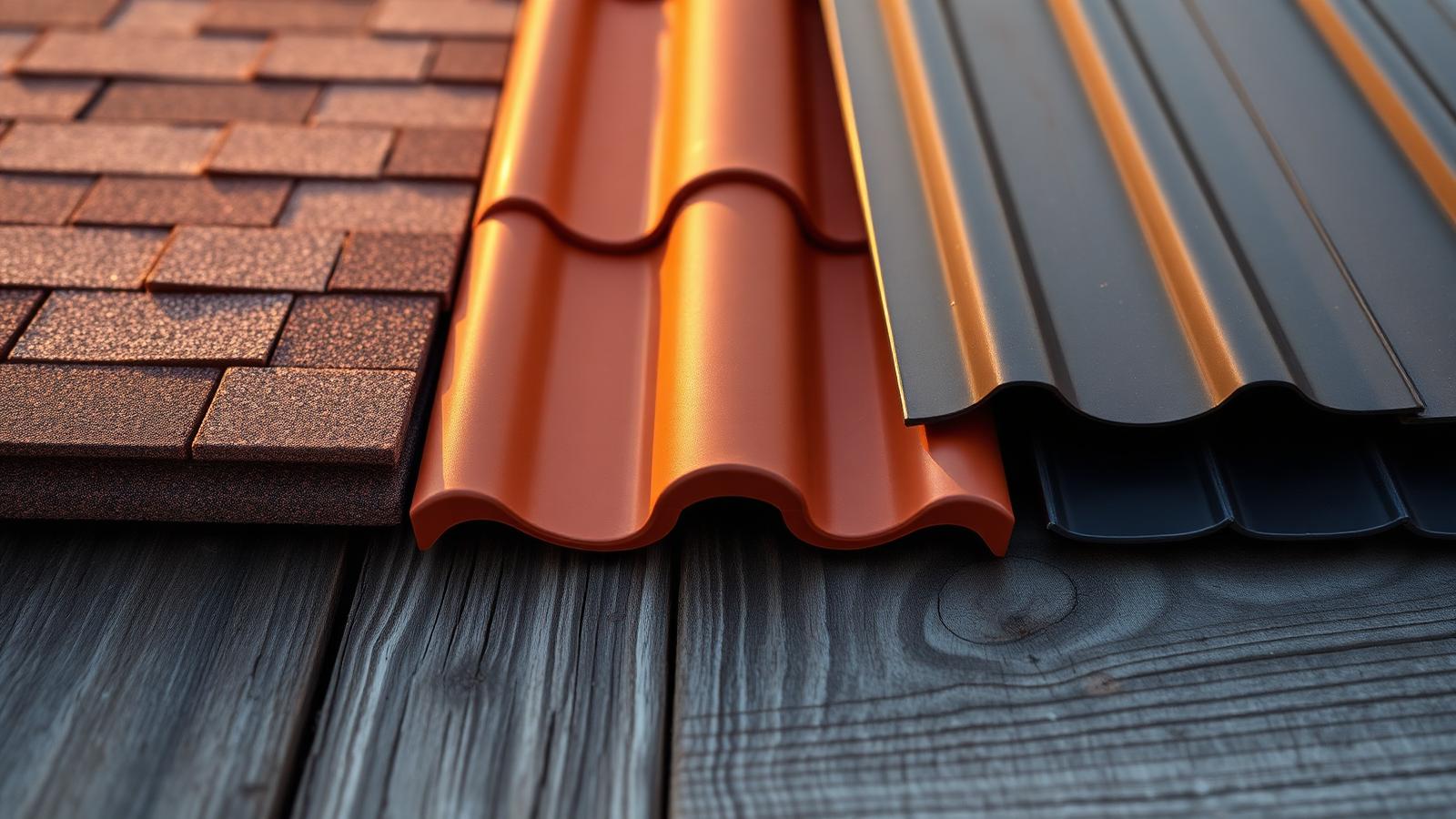
| Roof system | Typical carrier comfort zone | Where scrutiny usually starts |
|---|---|---|
| Asphalt shingle | Under 15 years old | 15 years and up, inspection often required |
| Metal | Under 25 to 30 years old | 25 years and up depending on the system |
| Concrete or clay tile | Under 25 to 30 years old | 25 years and up, underlayment condition matters |
| Flat or low slope | Under 10 to 15 years old | 10 years and up, membrane condition matters |
What the four point inspection looks at
For older homes, most Florida carriers require a four point inspection covering roof, electrical, plumbing and HVAC. The roof section is usually the one that sinks the policy. An inspector documents the material, the estimated age, the visible condition and whether there is evidence of leaks or prior repair work.
- Roof covering type and estimated remaining life
- Missing, cracked, curled or blistered shingles and slipped or broken tiles
- Condition of flashing at valleys, chimneys, walls, skylights and vents
- Signs of prior patching or mixed materials from repairs done over time
- Evidence of active or past leaks, including staining in the attic
- Ponding or deteriorated membrane on flat sections
Why the wind mitigation report matters just as much
The four point inspection decides whether you get a policy. The wind mitigation report decides what you pay for it. Florida requires insurers to give premium discounts for specific construction features, and roofs carry most of them. A newer roof installed to current code usually unlocks several of these at once.
- Roof deck attachment: larger nails at tighter spacing hold sheathing down in high wind
- Roof to wall connection: clips, single wraps or double wraps instead of toe nails
- Roof geometry: a hip roof earns a stronger credit than a gable
- Secondary water resistance: a sealed deck layer that keeps water out if the covering blows off
- Opening protection: impact rated windows and doors, rated separately from the roof
Homeowners regularly find that the wind mitigation credits from a code compliant replacement offset a real share of the monthly cost of the new roof. Ask your agent to re-rate the policy the week the final inspection passes. Nobody at the carrier will do it for you.
What actually triggers a non-renewal
In our experience across Hillsborough, Pasco and Pinellas counties, these are the findings that turn into a letter.
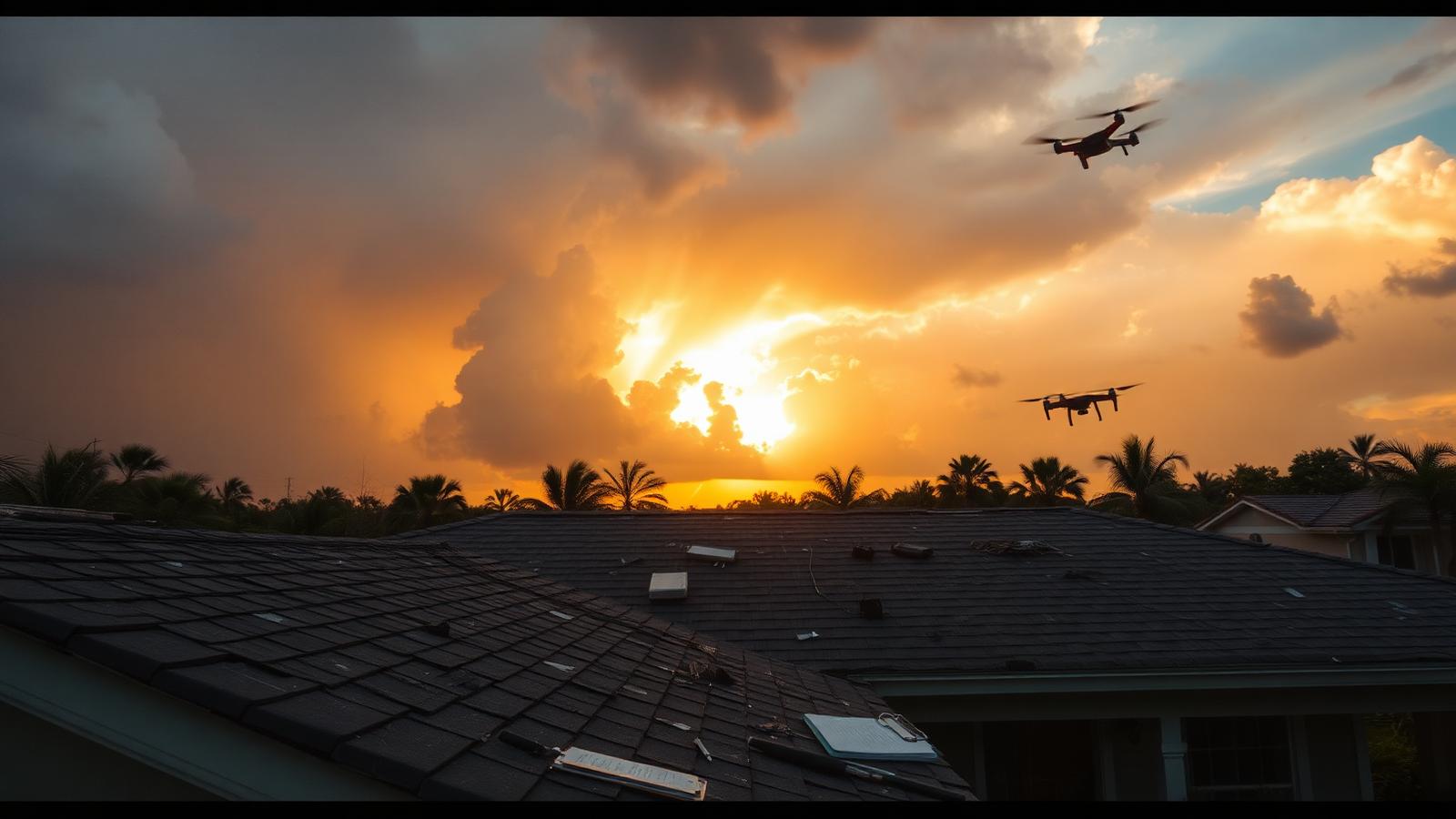
- Visible damage from an aerial or drone photo the carrier ordered without telling you.
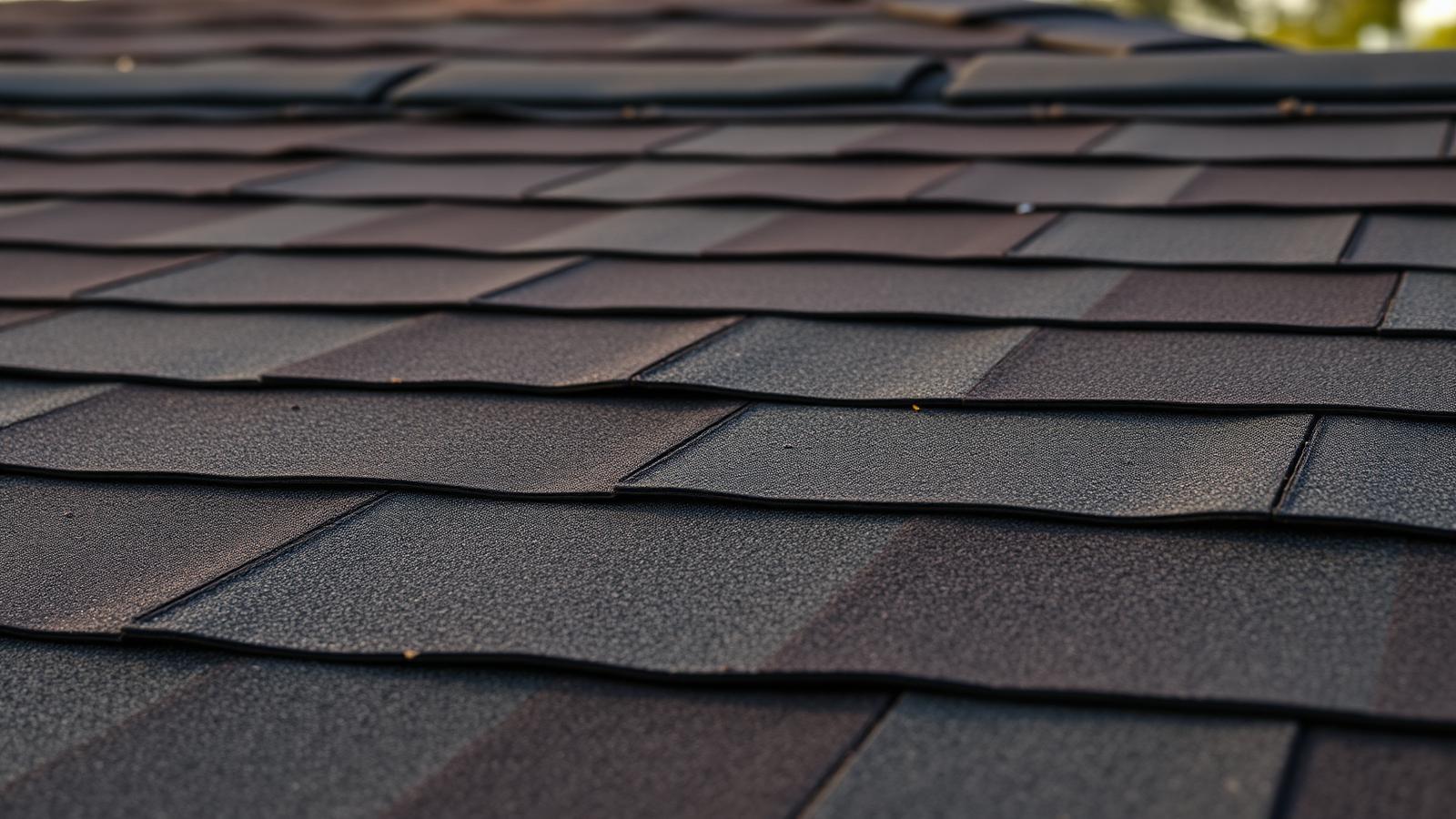
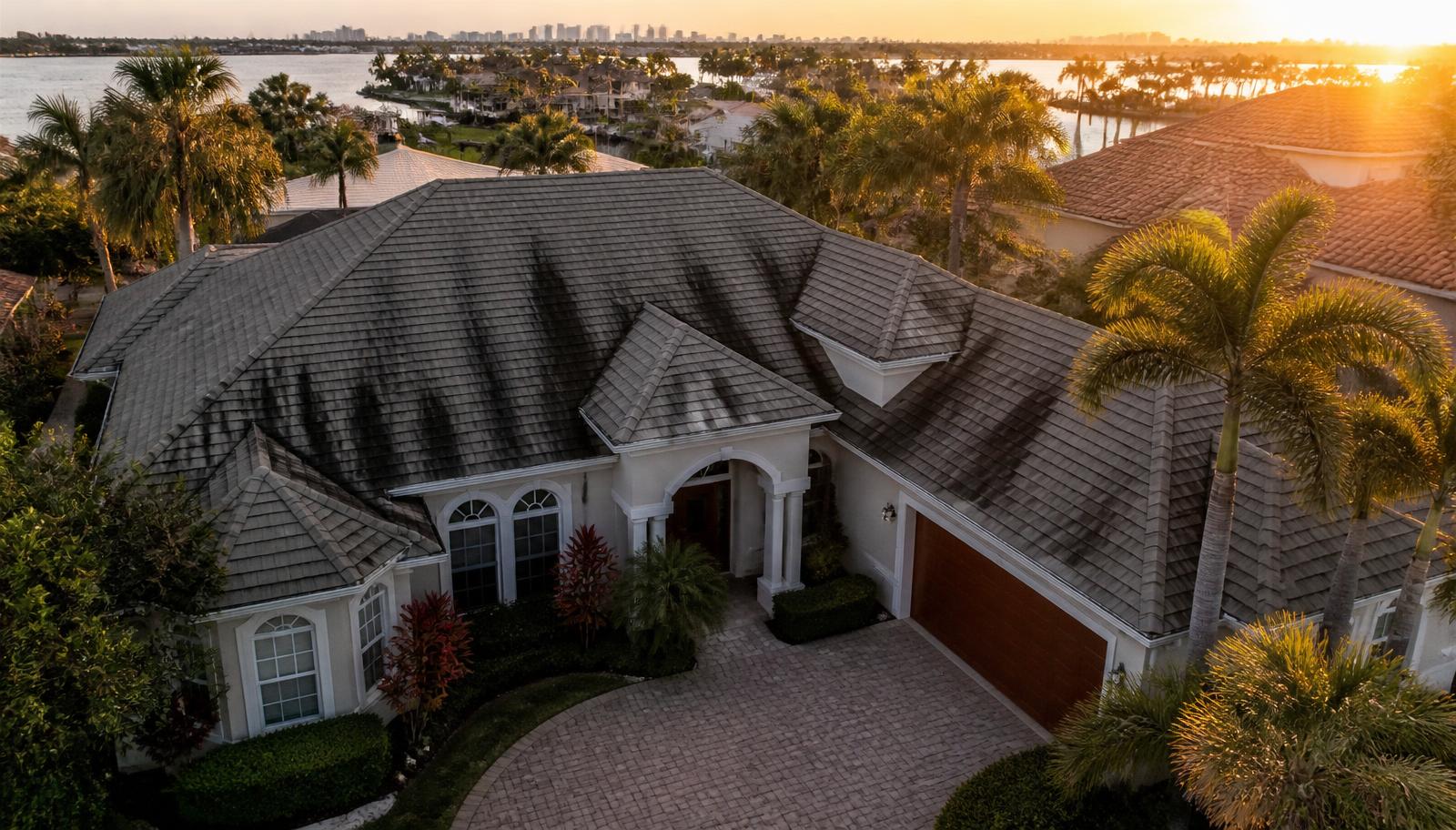
- Granule loss heavy enough that the shingle mat is showing through.
- Exposed fasteners, lifted ridge caps or failed sealant along hips and ridges.
- Cracked or slipped tile with underlayment showing underneath.
- Staining, mold or soft decking found during a four point inspection.
- An unpermitted repair or a partial re-roof that does not match the rest of the system.
What to do if you already got the letter
- Read the deadline. Most non-renewal notices give you weeks, not days, but the clock is real.
- Get an independent roof inspection with photos and a written remaining life estimate.
- Send that documentation to your agent. Minor issues can often be repaired and re-inspected.
- If the roof genuinely needs replacing, get the scope and permit in motion before the policy lapses.
- After the new roof passes final inspection, submit a fresh wind mitigation report and ask for the credits.
How a new roof changes your premium
A code compliant replacement resets the roof age clock, usually unlocks multiple wind mitigation credits and removes the condition findings an underwriter was worried about. It does not guarantee a lower bill, since carriers also price for location, claim history and market conditions, but it removes the single largest reason Florida homeowners lose coverage. If replacement is the answer, financing through Regions Bank can spread the cost over 5, 10 or 15 years, and the 9 month same as cash option carries no interest if you pay it off in that window.
Frequently asked questions
Can a Florida insurer drop me just because my roof is old?
Not on age alone if you can document remaining life. Florida law allows you to have the roof inspected, and an inspection showing at least five years of remaining useful life is meant to prevent a refusal based only on age. Condition findings are a different matter and can still trigger a non-renewal.
How old can a shingle roof be and still get insured in Florida?
Most carriers are comfortable under 15 years and start requiring inspections at or after 15. Some will write a 20 year old shingle roof with a clean inspection, others will not write it at all. It varies by carrier, so shop the policy as well as the roof.
Will a new roof lower my homeowners insurance?
It usually helps. A new roof resets the age issue and a fresh wind mitigation report can unlock credits for deck attachment, roof to wall connections, secondary water resistance and roof geometry. The size of the change depends on your carrier and what your old roof was already credited for.
What is the difference between a four point inspection and a wind mitigation inspection?
A four point inspection reviews roof, electrical, plumbing and HVAC to decide whether you are insurable. A wind mitigation inspection documents specific wind resistant construction features to determine what discounts you qualify for. Many homeowners need both.
Do I need a permit for a roof replacement in Tampa Bay?
Yes. Hillsborough, Pasco and Pinellas counties all require a permit and inspections for a roof replacement. The permit record is also what proves the roof age to a future insurer or buyer, so never accept an unpermitted re-roof.
Get the real answer for your roof.
The Roof Pack(Edge) Report is a drone-documented inspection with photos, a remaining-life estimate and a written scope. No pressure. You keep it either way.
Tell us about your roof.
Takes 90 seconds. We'll text or call within the hour.